
Directed by
Bruce McDonald
75 minutes
Rated MA
Reviewed by
Bernard Hemingway

Tracey Fragments,The
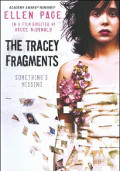
The Tracey Fragments begins using a multi split-screen technique. Not an unusual approach, there are many films whose opening credits use a similar approach. What is different about Bruce McDonald’s film is that the technique keeps going, and going. In fact, the entire story of Tracy, an "average 15-year old girl who hates herself", as she describes herself in her voice-over narration, bar the closing minutes, is told via a constantly changing series of screens of different configurations. Exactly why is not clear.
We know that the job of the artist is to challenge conventional expectations and that conventionally we the audience are habituated to the single screen format. We also know as per the film's title that the technique is probably supposed to be an analogue of Tracy’s fractured view of life (the chronology is also played around with). But neither reason seems to justify an approach which might be acceptable in a music video clip but which is simply overbearing in the context of a narrative film. Even the Soviet filmmakers had the sense to use montage sparingly in order to get their message across.
Not only does the approach seem commercially perverse (given the market's preference for the conventional) but as far as I could tell, The Tracey Fragments is in essence quite a decent little indie film, based on a strong story by Maureen Medved, who also wrote the script, of a mixed-up teenage girl, played well by Ellen Page and nicely photographed by Steve Cosens. Good enough in fact to make one persist despite the gratuitous visual fragmentation.
We all know that Canadians like to make strange films (look at Cronenberg, Egoyan and Maddin for example) but given that the then-unknown Page shortly after making this film shot to fame in Juno, it is surprising that the film-maker and his distribution company did not re-release the film in a conventional form. There's just no explaining Canadians, it seems.

Want something different?


